
Landscape Lighting
Landscape Lighting Design and Installation on Long Island.
By the Aurora team··4 min read
Good landscape lighting does not look like lighting at all. It looks like the house and garden at their best, after dark. Here is how a professional design comes together, from the first night walk to the final aim.
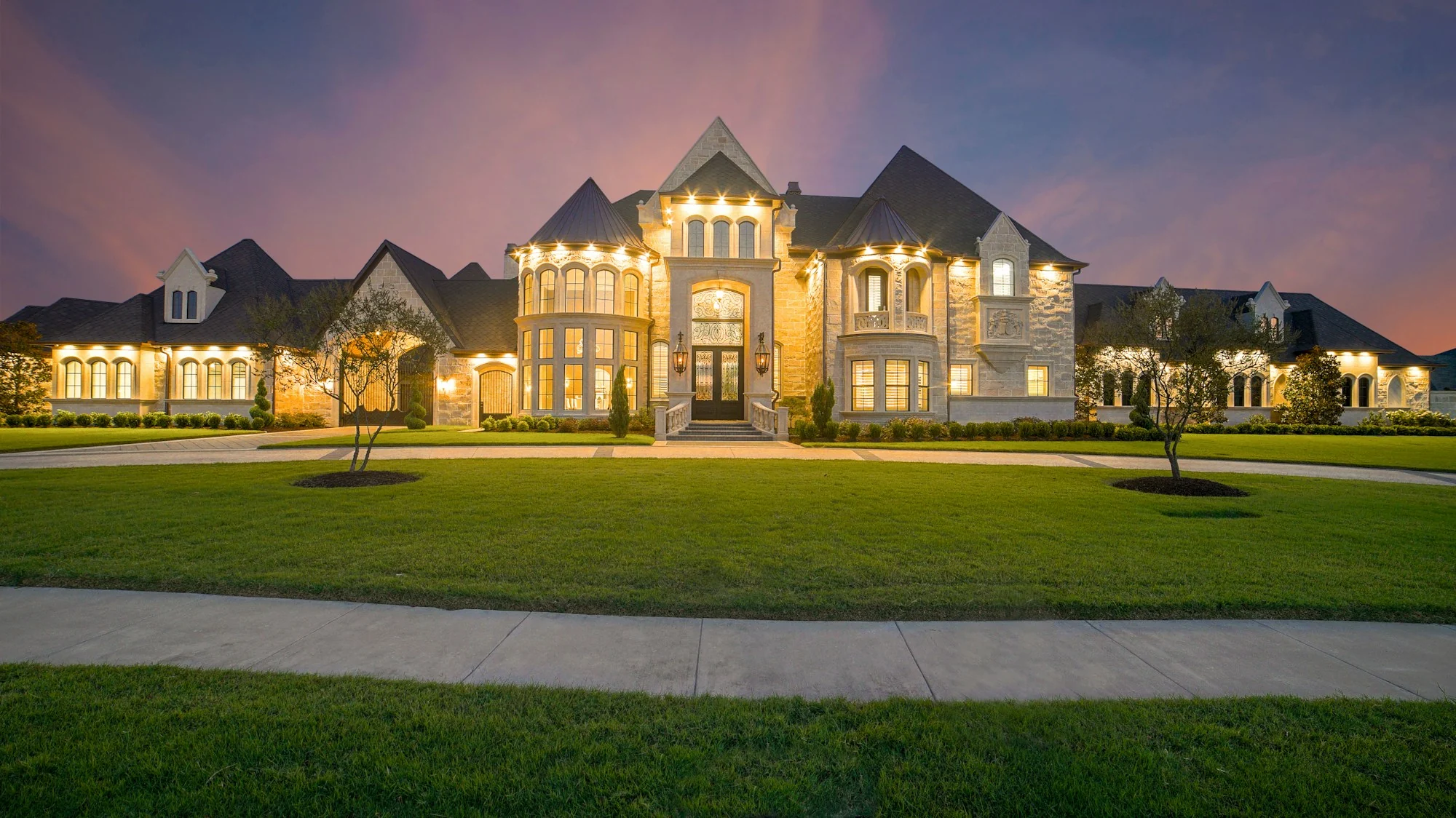
Design starts after dark
You cannot design night lighting by day. We walk every property at night to see what the eye is drawn to, which trees and walls deserve attention, where people walk, and where light from neighbors or the street already falls. The goal is to bring forward the best features of the property and leave the rest in comfortable darkness.
Light in layers
A refined lighting plan uses several kinds of light, each doing one job.
- Uplighting brings trees, columns and architectural details forward.
- Grazing skims light across stone, brick and textured walls to reveal their texture.
- Washing spreads soft, even light across a facade or a hedge.
- Moonlighting places fixtures high in a mature tree so light filters down through the branches, like moonlight.
- Path and step lighting makes walkways and stairs safe without lining them like a runway.
- Water and hardscape lighting highlights pools, fountains, patios and outdoor kitchens.
The art is in restraint. Fewer, well-placed fixtures almost always look better than many.
Color and brightness
Warm light flatters homes and plants. Most residential designs use warm white, typically around 2700K to 3000K, and keep brightness modest so the property glows instead of glaring. Shielded fixtures and careful aiming keep the light source itself out of view, which is better for your eyes, your neighbors and the night sky.
Common landscape lighting mistakes
- The runway look. Rows of evenly spaced path lights flatten a garden instead of shaping it.
- Too bright. Overlit facades glare at the street and wash out the details you want to show.
- Visible glare. Unshielded fixtures aimed toward the house, the street or a neighbor's windows are uncomfortable to look at.
- Mixed color temperatures. Fixtures with different color temperatures make stone and foliage look patchy.
- No room to grow. Trees and shrubs mature, so a good design leaves capacity to add and re-aim fixtures later.
Fixtures that survive Long Island
Salt air, sandy soil, lawn equipment and freeze-thaw winters are hard on outdoor fixtures. We favor solid brass and marine-grade fixtures, such as those from Coastal Source, that are designed to resist corrosion and hold their finish for years. Equally important are the connections: sealed, plug-and-play connectors avoid the buried wire splices that cause most landscape lighting to fail over time.
How installation works
- Low voltage. Most landscape lighting runs on low-voltage power from transformers, which is safer to install around plantings and easier to adjust.
- Clean cable runs. Cable is buried and routed to avoid roots, irrigation and future planting beds.
- Discreet placement. Fixtures are tucked into plantings so they disappear by day.
- Night aiming. After installation, every fixture is aimed and adjusted by hand after dark. This step makes the biggest difference to the final result.
Controls and automation
Lights should turn on at dusk without anyone thinking about it. An astronomical schedule follows sunset through the seasons, and scenes can set different looks for everyday evenings, parties and late night. When landscape lighting is part of a smart home, the garden can light up when the driveway gate opens, or follow the same "Goodnight" scene as the house. Read more about home automation on Long Island.
Care through the seasons
Gardens grow. Trees fill in, shrubs cover fixtures, and mulch builds up. A seasonal maintenance visit to clean lenses, re-aim fixtures and check connections keeps the design looking the way it did on the first night. Some manufacturers, including Coastal Source, extend their warranty when a system is maintained on a regular program.
Planning your landscape lighting
Aurora Automated Technologies designs and installs landscape lighting across Nassau and Suffolk counties, from the North Shore and Westbury to the South Shore, the Hamptons and the North Fork, as well as New York City, New Jersey and Connecticut. See our Landscape Lighting work, then call us to schedule a night walk of your property.
Frequently asked questions
What color temperature is best for landscape lighting?
Most homes look best in warm white light, typically around 2700K to 3000K. It flatters stone, wood and plants and feels inviting.
Why should landscape lighting be designed at night?
Light behaves very differently after dark. A night walk shows which features deserve light, where people walk, and how existing light already falls on the property.
How long does landscape lighting last on Long Island?
It depends on the materials. Solid brass, marine-grade fixtures with sealed connectors are built to resist salt air and corrosion, and regular maintenance keeps them performing for many years.
Can landscape lighting be part of a smart home?
Yes. Landscape lighting can follow astronomical schedules and join scenes in a smart home system, such as a single Goodnight button for the whole property.